
The psychological impact of gambling on behavior and decision-making Insights from vegas casino
The Allure of Gambling
Gambling has a powerful psychological allure that captivates individuals from all walks of life. The immediate thrill of risk-taking and the prospect of significant rewards can trigger a euphoric response in the brain, often likened to feelings induced by substances like drugs or alcohol. This phenomenon is primarily due to the release of dopamine, a neurotransmitter associated with pleasure and reward. When players engage in gambling, especially in vibrant environments like Las Vegas casinos, their brains become wired to seek out that rewarding sensation, creating a cycle that can lead to compulsive behavior. If you’re looking to enhance your gaming experience, consider a vegas casino game download for a variety of options.

The colorful lights, sounds, and social interactions within a casino setting further amplify this allure. Each game offers an opportunity for excitement, fostering an environment where rational decision-making can become clouded by impulse and desire. This combination of external stimuli and internal psychological responses can lead to behaviors that may not align with an individual’s typical decision-making patterns, resulting in potential risks and negative consequences.
The Impact on Decision-Making
The decision-making process in gambling is heavily influenced by cognitive biases and emotional states. One common bias is the «gambler’s fallacy,» where individuals believe that past outcomes will influence future results. This flawed logic can lead players to make irrational bets, thinking they are due for a win after a series of losses. Such thinking undermines logical reasoning, steering individuals away from careful analysis and towards impulsive choices.
The Role of Environment
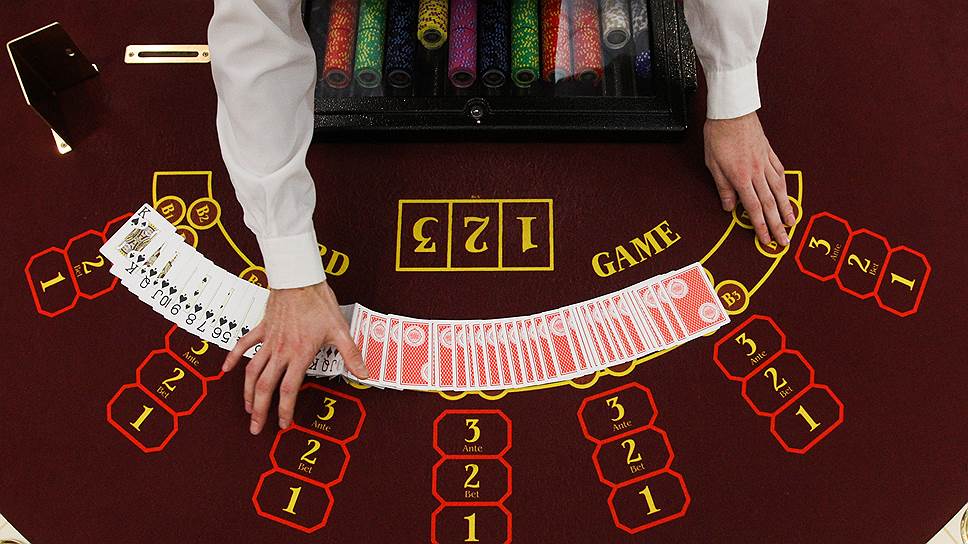
The casino environment is meticulously designed to enhance the gambling experience, often at the cost of rational decision-making. From the layout of slot machines to the positioning of tables, everything is intended to keep players engaged and spending money. Research shows that the more time people spend in a gambling environment, the more likely they are to experience cognitive dissonance, where their behaviors clash with their values and beliefs about responsible gambling.
Understanding Addiction
Gambling addiction is a serious issue that can stem from the psychological impacts of gambling behaviors. Many individuals may start gambling as a casual form of entertainment, but the thrill can spiral into an uncontrollable urge that disrupts personal and social lives. Symptoms of gambling addiction can include preoccupation with gambling, lying about gambling habits, and neglecting responsibilities in favor of gambling activities.
Responsible Gambling Practices
Engaging in gambling responsibly is crucial for enjoying the entertainment without falling into detrimental behaviors. Setting limits on time and money spent, recognizing signs of problematic behavior, and knowing when to take breaks are essential steps for maintaining a healthy relationship with gambling. Additionally, educating oneself about the odds of various games can foster a more informed approach to decision-making.